
1. EVFTA Rules of Origin (Circular 11/2020/TT-BCT): Form EUR.1 vs. REX (€6,000 Cap)
Under Ministry of Industry and Trade (MoIT) Circular 11/2020/TT-BCT, goods exported from Vietnam to the 27 EU member states qualify for preferential tariff elimination via either an official Certificate of Origin Form EUR.1 issued by MoIT-authorized offices (valid for 12 months from issuance, requiring mandatory 3-year document archiving) or an origin declaration under the Registered Exporter (REX) framework—noting that self-certified origin declarations by any Vietnamese exporter are strictly capped at consignments valued at EUR 6,000 or less.
Products qualify either as Wholly Obtained (WO — Article 6) for domestic agricultural/aquaculture commodities (coffee, rice, cashews, shrimp) or Sufficiently Worked or Processed (PSR — Article 7 & Appendix II) based on Change in Tariff Classification (CTC), Regional Value Content (RVC / Max Non-Originating Material % of EXW), or specific manufacturing operations.
2. The Korean Fabric Extended Cumulation Rule (Article 9, Circular 11/2020/TT-BCT)
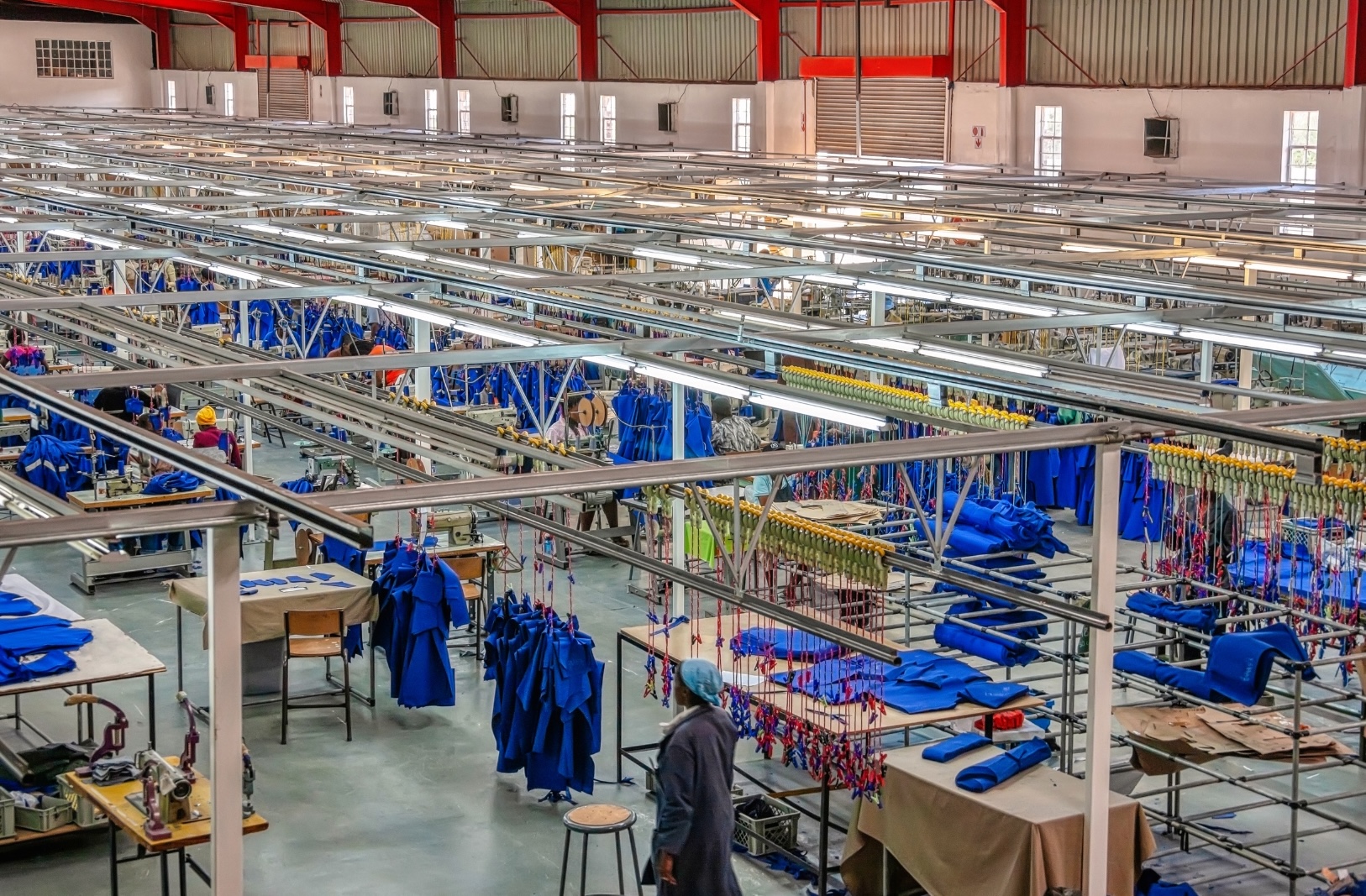
For apparel and textile buyers (HS Chapters 61 & 62), EVFTA requires a 'Double Transformation' rule (weaving/knitting + cutting and making up). Because Vietnam imports a large share of its woven and technical fabrics, Article 9 (Clauses 7–10) and Appendix V of Circular 11/2020/TT-BCT provide a decisive legal bridge: fabrics originating in the Republic of Korea (under the EU–Korea FTA) or the EU are legally cumulated and treated as originating in Vietnam when cut and sewn in a Vietnamese factory. Conversely, fabrics imported from China do not qualify for EVFTA cumulation.
3. US-Bound Shipments: Proving Substantial Transformation Under 19 C.F.R. § 134.1(b)
Although the United States accounts for over 30% of Vietnam's export value, there is no bilateral preferential FTA—meaning US entries rely on MFN tariff schedules plus applicable trade remedies. Under 19 C.F.R. § 134.1(b), importers should maintain a pre-shipment Substantial Transformation Documentation File proving raw inputs underwent a fundamental change in 'name, character, or use' inside the Vietnamese plant (supported by input VAT e-invoices, machine routing logs, and workforce records) rather than simple assembly.
4. Key Specifications & Summary Table
| Trade Agreement / Regime | Certificate Type | Core Origin Rule / Cumulation | Mandatory Audit Retention |
|---|---|---|---|
| EVFTA / UKVFTA (EU-27 & UK) | Form EUR.1 / EUR-MED (or REX ≤€6k) | WO (Art 6) or PSR (Art 7) + KR Fabric Cumul. | Minimum 3 Years (MoIT & EU Customs) |
| CPTPP (CA, MX, JP, AU, NZ, UK...) | Self-Cert or MoIT Form CPTPP | Regional Value Content (RVC) / Yarn-Forward | Minimum 5 Years Record Retention |
| RCEP (ASEAN + CN, JP, KR, AU, NZ) | Form RCEP (MoIT ECOSYS) | 15-Country Regional Cumulation (RVC ≥40%) | Minimum 3–5 Years per Importing State |
| US Non-Preferential (19 C.F.R.) | Country of Origin Marking + Dossier | Substantial Transformation (New Name/Use) | 5 Years from US CBP Entry Date |
5. Frequently Asked Questions
Q1. How does a Vietnamese factory qualify for C/O Form EUR.1 under EVFTA?
Under MoIT Circular 11/2020/TT-BCT, the exporter must register a Trader Profile on the MoIT ECOSYS portal and prove the goods are either Wholly Obtained (Article 6, for agricultural/seafood products grown in Vietnam) or satisfy the Product-Specific Rules in Appendix II (such as maximum 40%–50% non-originating material value of the EXW price or a Change in Tariff Heading), supported by domestic input VAT invoices and customs declarations.
Q2. Can a garment factory in Vietnam use Chinese or South Korean fabric and still qualify for EVFTA tariff relief?
Under Article 9 and Appendix V of Circular 11/2020/TT-BCT, fabrics originating in South Korea (or the EU) qualify for extended cumulation under EVFTA—meaning Vietnamese cut-and-sew garments made from Korean fabric with a valid Korean origin declaration qualify for Form EUR.1 duty relief into the EU. Fabrics imported from China do not qualify for EVFTA cumulation.
Q3. What documentation proves substantial transformation in Vietnam under 19 C.F.R. § 134.1(b) for US Customs?
To survive a US CBP CF-28 / CF-29 request for information, maintain a lot-specific dossier containing: (1) the Costed Bill of Materials (BOM) with input HS codes and origin; (2) Vietnamese input VAT e-invoices (Hóa đơn GTGT) and import declarations; (3) factory floor routing sheets, machine logs, and BHXH worker records showing complex processing in Vietnam; and (4) geotagged DUPRO/PSI photos.