
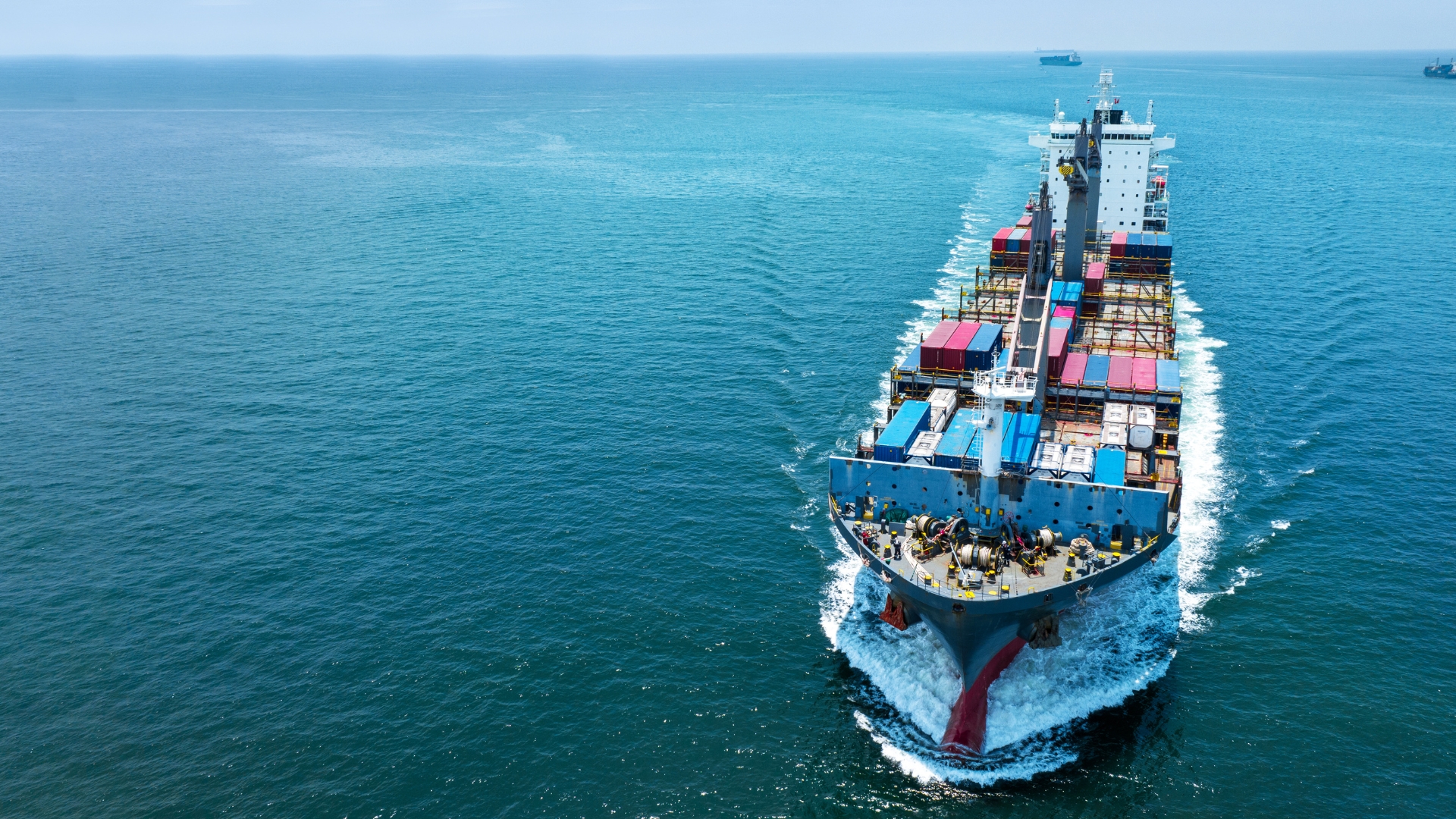
1. Channel Model 1: Direct Cross-Border CIF/CIP Supply to Vietnamese Factories
Under Vietnamese customs law, licensed manufacturing and industrial enterprises hold direct import rights for machinery, equipment, and raw materials aligned with their registered business lines. Foreign exporters can sell directly cross-border on CIF or CIP (Incoterms 2020) terms with the Vietnamese factory acting as its own Importer of Record (IOR).
With electronic product filings and ministry approvals integrated on Vietnam's National Single Window (Cổng thông tin một cửa quốc gia), qualified factory buyers can clear shipments smoothly when the foreign seller supplies an accurate commercial invoice, packing list, Certificate of Origin, and technical datasheet pack.
2. Channel Model 2: Dual-Corridor Technical Distribution (North + South Split)
One of the most common mistakes foreign exporters make in Vietnam is signing a multi-year 'Exclusive National Distribution Agreement' with a single trading company in Ho Chi Minh City or Hanoi. Vietnam's industrial base is divided between two major hubs separated by 1,700 km: the Northern Corridor (Hanoi, Hải Phòng, Bắc Ninh, Hưng Yên) and the Southern Corridor (Ho Chi Minh City, Bình Dương, Đồng Nai, Long An).
Experienced international manufacturers establish Dual-Corridor Non-Exclusive or KPI-Gated Distribution: appointing a vetted Northern industrial stockist and a vetted Southern industrial stockist, each governed by clear quarterly volume milestones and technical support obligations.
3. Channel Model 3: Treaty-Covered Public Procurement & Bank FX Settlement
For infrastructure, energy, healthcare, and utility equipment manufacturers, Vietnam's government procurement commitments under the CPTPP, EVFTA, and UKVFTA allow eligible foreign suppliers from treaty partner countries to participate in covered public-sector tenders.
Finally, to ensure smooth USD or EUR wire settlement from your Vietnamese buyer or distributor under State Bank of Vietnam foreign exchange rules, confirm that four documents match word-for-word: (1) the Commercial Sales Contract; (2) the Commercial Invoice; (3) the Clean Bill of Lading; and (4) the buyer's cleared Import Customs Declaration (Tờ khai hải quan nhập khẩu thông quan). Vietnamese commercial banks require a cleared import declaration before remitting post-shipment foreign currency wires (unless settled via advance deposit or Irrevocable L/C).
4. Key Specifications & Summary Table
| Market-Entry Model | Target Customer Profile | Customs & Channel Mechanism | Recommended Payment Security |
|---|---|---|---|
| 1. Direct Cross-Border Supply (CIF/CIP) | Tier-1 Export Factories & Large Mills | Buyer clears via National Single Window (E31/A12) | Irrevocable UCP 600 L/C at Sight or pre-ship T/T |
| 2. Dual-Corridor Technical Distributors | SME Factories, MRO & Construction | North (Hanoi/HP) + South (HCMC) IOR Stockists | Quarterly KPI Contract + Bank Guarantee / SBLC |
| 3. Treaty Public Procurement Bidding | Infrastructure, Healthcare & Utilities | Covered EVFTA / CPTPP / UKVFTA Tenders | Commercial Bank Bid & Payment Bond |
5. Frequently Asked Questions
Q1. How can a foreign company sell industrial products into Vietnam without setting up a local subsidiary?
Foreign manufacturers can sell directly into Vietnam without a local entity using three practical structures: (1) selling CIF/CIP directly to licensed Vietnamese factories that clear customs via the National Single Window; (2) appointing separate Northern (Hanoi/Hải Phòng) and Southern (HCMC/Bình Dương) Importer-of-Record distributors; or (3) bidding on treaty-covered public procurement tenders under EVFTA, CPTPP, and UKVFTA.
Q2. How do EVFTA and CPTPP rules help foreign suppliers bid on public-sector projects in Vietnam?
Vietnam's government procurement commitments under the CPTPP, EVFTA, and UKVFTA establish transparent tender rules and non-discriminatory access for eligible foreign manufacturers bidding on covered central infrastructure, healthcare, and utility contracts above treaty thresholds.
Q3. Why should foreign exporters avoid giving exclusive nationwide distribution to a single Vietnamese agent?
Vietnam's industrial buyers are split between two distinct poles 1,700 km apart: the Northern cluster (Hanoi, Hải Phòng, Bắc Ninh) and the Southern cluster (Ho Chi Minh City, Bình Dương, Đồng Nai). Few local distributors have strong sales engineering coverage in both regions; splitting territories between a Northern and Southern partner with quarterly off-take KPIs prevents market lock-out.