
1. Why Unapproved Subcontracting Affects Both Product Quality and Origin Compliance
When mass-production quality differs from an approved pre-production sample, the root cause is usually unapproved subcontracting or a change in raw material suppliers rather than a sudden drop in skill on the main line. In wood furniture hubs such as Bình Định and Bình Dương, overflow batches sent to smaller workshops may rush kiln-drying cycles (packing timber at 16%–18% moisture instead of 8%–10%), which leads to warping and surface mold during ocean transit.
Subcontracting also affects customs documentation: under US substantial transformation rules and EU or CPTPP origin audits, if an undisclosed workshop uses undocumented imported components or lacks production records tied to the declared factory address, customs authorities can question country-of-origin certificates.
2. Control 1 & 2: Sealed Counter-Samples & Input VAT Material Checks
Before mass production begins, establish a Tri-Partite Sealed Counter-Sample Protocol: three identical pre-production 'Golden Samples' are signed, dated, and fitted with numbered tamper-evident tags—one retained by the buyer, one kept on the factory assembly line, and one held by your independent local quality inspector.
Simultaneously, require a Bill of Materials (BOM) Sub-Supplier Lock supported by Vietnam's electronic VAT invoicing records (Hóa đơn điện tử GTGT). The manufacturer should maintain batch-level input VAT invoices confirming that the specified grade of resin, steel, fabric, or timber for your purchase order was delivered directly to its registered plant before production started.
3. Control 3: Unannounced In-Line Inspections (DUPRO) at 15%–20% Output
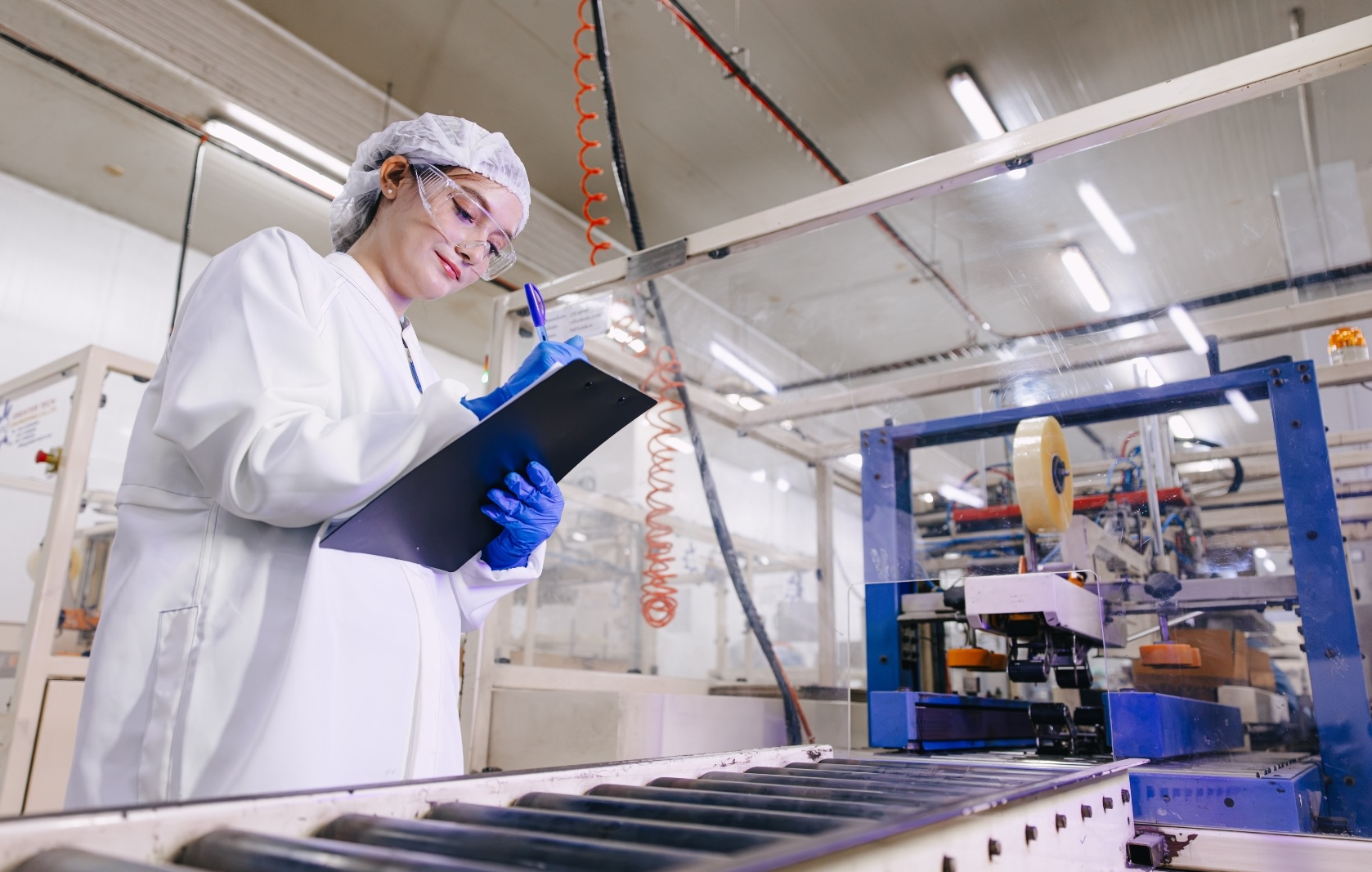
Waiting until the final Pre-Shipment Inspection (PSI) when goods are already sealed in master cartons is too late to prevent subcontracting or fix systemic line defects. Experienced procurement teams schedule unannounced or short-notice During-Production Inspections (DUPRO) when 15% to 20% of the order has come off the line. Inspectors confirm that active production is running on the audited factory's own equipment, document floor progress for origin traceability files, and correct workmanship drift early.
4. Key Specifications & Summary Table
| Control Stage | Timing Window | Verification Mechanism | Risk Prevented |
|---|---|---|---|
| 1. Golden Sample Lock | Pre-Production | 3 Identical Tamper-Tagged Counter-Samples | Specification drift & unapproved changes |
| 2. BOM Input VAT Audit | Material Intake | Review Hóa đơn GTGT & Mill/Resin Lot Certs | Inferior raw material or part substitutions |
| 3. In-Line DUPRO Check | 15%–20% Output | On-site floor check + ISO 2859-1 early pull | Unapproved Tier-2 workshop subcontracting |
| 4. Batch Traceability | 20%–80% Production | Dated production logs & floor photography | Country-of-origin documentation gaps |
| 5. Final PSI & Loading | 100% Done / ≥80% Packed | Level II AQL 1.5/2.5 + Container Bolt Seal | Staged inspection lots & container swaps |
5. Frequently Asked Questions
Q1. Why does mass production quality sometimes drop after a great sample in Vietnam?
Industrial hubs in Bình Dương, Đồng Nai, Bình Định, and Bắc Ninh operate as dense subcontracting networks. When Tier-1 factories become overbooked, they may build the pre-production sample in their main plant and quietly outsource part of mass production to smaller workshops that use lower-grade inputs or lack strict quality checks.
Q2. How do I stop a Vietnamese factory from outsourcing my order to unapproved workshops?
Combine four practical safeguards: (1) prohibit unapproved subcontracting in a bilingual purchase contract; (2) verify input VAT e-invoices confirming raw materials arrived at the main plant; (3) conduct an in-line inspection (DUPRO) at 15%–20% completion; and (4) link pre-shipment payment milestones to verified in-house production.
Q3. How does unapproved subcontracting affect customs rules of origin?
Importing authorities in the US and EU require clear proof that goods underwent substantial transformation or qualifying processing at the declared manufacturer's facility. If work is outsourced to undocumented workshops without traceable material invoices and production logs, customs auditors can deny preferential tariffs or origin claims.